Being Prepared

An angler who is always prepared has a significant advantage over those who are not. We have talked many times about using any available data to the advantage of the angler. And if we do our research properly, and there is plenty out there, we can increase our chances of success.

A prepared angler is one who will be able to anticipate, recognize and then control the given conditions they find during their fishing trip. And the only way to do this is to do their “homework” or in other words, develop a strategy.

Developing a successful strategy involves many steps and components.

And one of the most important steps of this strategy should be to know your prey and their comfort zone or their safe environment. And how any outside influences can affect them.
Most fish species don’t achieve longevity or size by being fooled easily. Their environment is one of familiarity. And any unusual or unnatural condition raises a concern for their safety.

All natural underwater environments contain certain influences, sounds and vibrations. These conditions and affects can originate from structure, feeding activities, travel of other aquatic and non-aquatic sources or just a natural flow of above ground vibrations from greenspaces or surface encumbrances.

So the anglers first step of preparation is to know how each of the discussed conditions affect the species you’re targeting in their own underwater environment.

Anglers should also know feeding patterns, temperature preferences, travel highways and how tidal changes affect your target.

One component not typically discussed but is always out there and should be considered: How will your presence affect your prey when fishing from the shore or boat?  There is a big difference between friendly noise and strange unnatural noise. A good knowledge how this affects your target can greatly improve your chances.

Another important consideration – if the fish hear or sense you are near, can they also see you?

Most anglers just grab a rod and bait bucket and head to the nearest bridge or pier and expect a great catch. Sometimes this works but others times especially in aggressively fished areas where your prey is wise to anything unusual, preparation is the key.

Tackle shops and our local pier staff are a great resource. But the best strategy is to study your prey and develop a comprehensive strategy on your own. It will definitely help you understand your prey and improve your catches.

The best advice a good friend gave me some time ago and has helped me catch more fish is, “More fish are caught the night before”.

Until next time – Tightlines. Capt. Tony
Temporary Closure – CHNS “Point”

Temporary Wildlife Protection Area Installed at Cape Point on Saturday

By JOY CRIST – Island Free Press / 18 May 2018

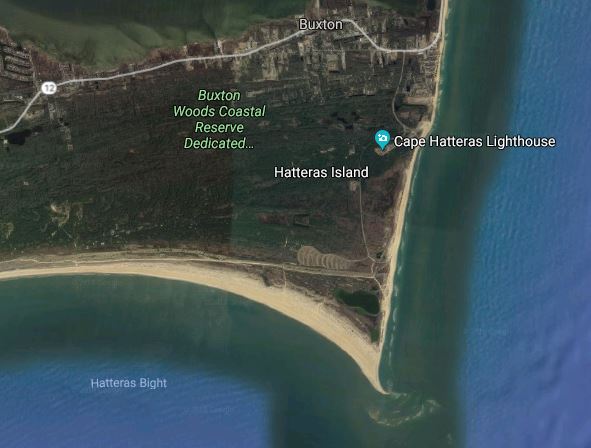
Per a recent announcement from the Cape Hatteras National Seashore, beginning early Saturday morning, May 19, a temporary wildlife protection area will be installed near the tip of Cape Point to protect nesting shorebirds.

When the protection area is installed, Off Road Vehicles (ORV) and pedestrians will be able to travel approximately 0.70 miles south of Ramp 44.

It will be the first time that the Cape Point area has had an ORV restriction in the past 660 days.

Cape Hatteras National Seashore stated that they understand that the tip of Cape Point is a very important area for visitors in the announcement. “While it is not possible to provide an exact date for when ORV access all the way to Cape Point will be restored, be assured that Seashore staff will actively monitor the nesting shorebirds daily in order to ensure appropriate protection buffers are maintained and to be able to reopen the area as soon as possible,” read the statement.

Currently, there are over 26 miles of Seashore available for ORV use. Beach access updates are posted daily on Cape Hatteras National Seashore’s Facebook page at https://www.facebook.com/CapeHatterasNS/

Fish are Biting

Fish are biting on the northern beaches. For the past several weeks, it’s been all southern areas including Hatteras Island and the Point. But over the last week or so, most of our spring species have moved into the northern waters.

The surf anglers have seen occasional catches of speckled sea trout, sea mullet, blues and a few puppy drum. Fresh shrimp and cut bait on two hook bottom rigs, fishing close in just in the sloughs and adjacent to the piers appear to be the best bets. Also, any moving lure such as a lead head with variety of soft body swim or finesse bait attracts those hungry fish.

Pier anglers are also catching blues, speckled sea trout with an occasional grey trout mixed in, along with sea mullet, shad, blow toads, and keeper Striped Bass. It seemed the fish bite can be found throughout the day. The old saying, “you just have to be there when they are hitting the baits”. Pier staff can always help with the proper type of gear and baits.

The little bridge has been the hot spot on the northern beach in early May. Speckled sea trout, puppy drum, shad and huge runs of spot have been caught. This spot is an early morning bite. Most serious anglers have their catch and are usually home by sunrise. But visiting anglers frequent the bridge throughout the day with much success. Standard two hook bottom rigs with shrimp, blood worms, cut bait or artificial fish bites have all worked well.  Trout and puppy drum are hitting a moving jig head with various color swim baits.

May is a beautiful month to fish on the Outer Banks. And each day the weather continues to improve and fishing gets better.

Remember – Always use fresh bait. Try not to use frozen or yesterday’s bait if possible. And don’t over-size your gear. Leave the big “rods” and heavy gear at home. Light medium or medium weight gear works best this time of year. But always first check with a local tackle shop or pier professional for the right size gear and bait.

Until Next time – Tightlines – Capt. Tony