Fishing from Land on the OBX

We are finally entering the official start of summer so it’s a good time to review some of the best places to fish from land.

The most frequently asked question by visiting anglers. Where can I go fishing while visiting the Northern Outer Banks? Well, here are some of the locals’ favorites.

Daniels Bridge – great bridge deck to fish from only the south side. Easy access, parking, restrooms, shaded area, fishing cleaning station. Good for crabbing. Look for channels and moving water. There is deep hole approximately one hundred fifty yards south of bridge. Long casts and covering more water increases catches.

Wildlife Pier / Baum Bridge – long dock that separates the Albermarle and Roanoke Sounds. Easy access, parking, portable restrooms, shaded certain times a day, benches. Fish the north and east sides of dock. Drag baits along the pilings and cast north into the slough / channel leading into the marina. Avoid the south side – rubble and snags from bridge construction.

Various boat ramps – Wildlife pier ramp (under Baum bridge) and Oregon Inlet (near Coast Guard Station) ramp as well as many other ramps that line the Albemarle and Pamlico sounds are good places to find many bottom fish. Long casts into the sound and slow retrievals into the ramp holes increase catches. Watch to boats being launched and loaded.

Oregon Inlet Fishing Center – south point on east side of basin. Good wade fishing and crabbing Watch for waves from boats and deep holes while wading. Parking is good at marina. Restroom facilities are fishing center.

Mid Island – Various dune cross-overs. KH, KDH and NH have dozens of dune break for immediate access to the surf. Some areas require a long walk. Some areas have adequate parking, potable toilets, and stairs and ramps. Fish the moving tides and focus on the close in sloughs.

North Island and Corolla Beaches – most of this area is a 4-wheel access. A great location during the entire year. Permits are required during the summer months.

BeBop Pier – west end on Mann’s Harbor Bridge. Easy access, limited parking, shaded area with benches.  North side is good for shallow fishing. East and south are adjacent to bridge. Long casts toward bridge into slough increases chances. Lots of crabs and mosquitoes during the summer.

Bodie Island Slough – west end of parking area at the Bodie Island Lighthouse. Long walk through gate at end of circle along a dirt road. Minimal parking. No restrooms adjacent to fishing area. Once at slough, good fishing to the north or around any structure. Lots of crabs and mosquitoes most of the year.

Pamlico Sound / Hatteras Island Sound fronts – many pull offs along the entire coast with direct access to shallow water. No facilities. Park parking permits may be needed if off pavement.

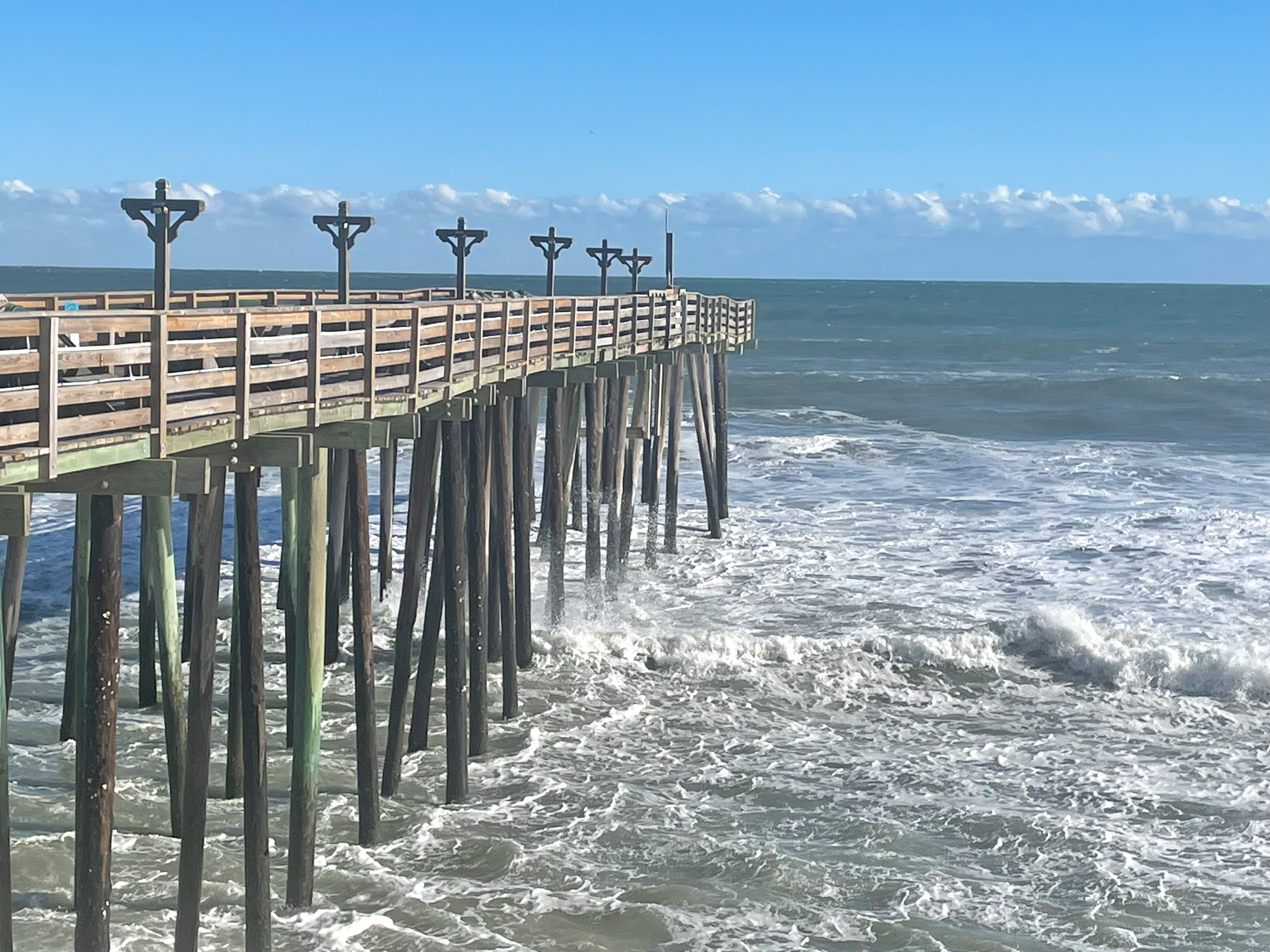
Bonner Bridge Pier – this a new pier at an old location. Located on the south end of the new Basnight Bridge. Extends into the Oregon Inlet channel. Need a license to fish here.

Obviously, there are dozens more but these are my favorites. We haven’t included the piers because they are a given. These are the special spots. Piers will be discussed during another post. Remember – anglers will need a license to fish any of these spots.

Until Next Time – Tightlines – Capt. Tony
Starting Point

The outer banks are a great place to fish whether they are new, a returning visitor or a local resident just looking to jump into something new.

This time of year, visitors are arriving by the hundreds for vacation on the Outer Banks.  Most are looking for their next adventure.  Fishing may have been on their bucket list for years but they really never took the time to explore it.

Now more than ever, visitors are taking that opportunity to experience this pastime that is exploding all over the Outer Banks.  Fishing has been just outstanding over the past several seasons and with so much excitement many new anglers are jumping into this new hobby.

Starting fresh in fishing can be frustrating for any new angler.  Where to go and what to use for gear and bait can be overwhelming to the newcomer.  There are dozens of places that can “set you up” but only a few places can actually get you started so that this first experience is rewarding.

A local tackle shop should be your first stop.  They can help identify the best rod and reel for your use.  They can also provide you with the proper technique but more importantly they can provide the freshest and best choices for bait.  This is lesson #1. Fresh bait, locally caught and unfrozen is the key to getting the most bites. Local tackle shops are also good sources for info on special places to fish, times, conditions and legal regulations that are required.

As any novice would do, some may be tempted to fill their basket with many items that look good or that they saw on TV.  These items do a great job of catching more anglers than anglers catch the fish.  Big box stores or catalogs may offer low pricing but can never provide local knowledge and instruction that your Outer Banks tackle shops can.

This is lesson #2. Fish can be found in lots of places but good technique is specific to an area or region.  What worked at home or what worked last year may not work here and now. A good tackle shop stakes its reputation on return business.  Many consider their return customers as family.  This is something you can’t put a price on.

Once new anglers find their tackle shop home, they can learn the proper basics and move on from there.  Many want to shorten the learning curve by going directly to the advanced class.

But there is no substitute for crawling before you walk, especially when so many knowledgeable sources are yours for the asking.

Until next time – Tightlines – Capt Tony

Spring Migration is Here

We are rapidly heading into the Spring fishing season on the Outer Banks. And with numerous seasonal species beginning to show up on the Hatteras Island beaches, it won’t be long before these summer visitors are moving up to the northern beaches. Water temperatures are gradually increasing and it won’t be long before all of our warm water species are well settled in both the ocean and sound waters.

Most diehard anglers are already catching fish, but are you ready? At the end of the last fishing season, there were many things to address. But the two most important things are to get your gear ready and increase your knowledge on what worked and what didn’t.

First is gear maintenance. This is one of those duties typically lost in the hustle of the off season. But it is imperative to put this in the forefront of your spring duties. Checking your rod and reels for damage or corrosion, replacing rusting gear and updating your tackle bag is only a start. I start with what worked last year and fill in the pieces.

Next, getting more knowledge of our fishery is really the most important key to success. This doesn’t mean we have to go back to school but fishing seminars do help including ones online. Learning new things is important for increased success. There are hundreds of websites, podcasts, and YouTube videos about various techniques.

Another way is stopping by your local tackle shops. They can help with any new gear or specific techniques. You may even want to check the various manufacturer’s web sites. Lots of tips can be found there. These are the professionals – they make it their business to make you a better angler. So stop there frequently.

And finally, checking your catch log book. This is the best way for the average anglers to gain more knowledge. Their log book will tell them what worked best under certain conditions, and when and how? The variables were time of day, tides, weather conditions but probably more important was the water temperatures and barometer readings. Records of what species were caught and what gear and baits were used. One of the best sources of knowledge you can have is a currently maintained log. 

Don’t have a log or reference book. Spring is the best time to start one. Create your own log or purchase one. Then next year you will have an excellent reference on factual data.

Knowledge and personal experience are the best teachers. And the best part, these are simple and provide valuable information that can be used for many years.

Many of the warm water species are close and the summer season is just around the corner. Ready or not, here they come. Will you be?

Until Next Time – Tightlines – Capt. Tony