Do You Know When

Earlier this week, I received a question from a friend on the pier. He asked me how I knew the best time I go fishing. The most logical answer is when you have time and when the fish are biting. My answer was a little sarcastic but I told that’s  really is simple if you know the keys

There are three key conditions that I focus on before I go on a serious fishing trip. They are the water temperature, barometer readings and what are the tides during my time on the pier.

Now obviously, there are many other items that should be included but let’s look at these first.

First key is to check the water temperature. The temperature is the signature of several things – whether the fish are there, is there bait in the water and are conditions right for them to feed. Fish won’t be present if the conditions aren’t right and there is no bait in the water.

During my preparations, I always determine the optimal temperatures of my target species. Tackle shops and pier staff constantly monitor the water temperatures. Free for the asking.

The next key is weather patterns. Look for cold or warm fronts. Did any just pass by or are we expecting one in the near future? The key here is what the barometer readings were doing over the past 24 hours and where are they going now.

Rising or falling barometers can have a significant effect on marine species. Also, if there prediction that a weather system is on the way, did one just pass or will it be as they say “a blue bird day”. Depending on these findings, this information will help me decide if the time is right.

The final key to the plan is the tide phases. Most anglers prefer a low or high tide. High tides bring in more fresh and clean water especially during full or spring moons. Low tides trap fish in pockets or small depressions on the bottom making it easier to see and catch them. But ultimately the fastest part of the tide is what matters. So try to be where you plan to fish during that period.

What most anglers fail to recognize about marine species is that they too must consistently be on the move. Whether it’s searching for food or to prevent being eaten by another fish.

Keep in mind, your target may be there one minute and gone the next. So it’s imperative to keep your eyes open and adapt to the conditions. Move when you must.

So to answer my friend’s question, they need to remember the three keys.

Now let’s say not all the conditions exist and you still want to go fishing. I would recommend this one key more closely, it’s water movement. This might be the most important key for deciding when to go fishing. Anglers should know the current force, speed or direction of the tide at the area they are fishing. Adjustments can always be made once in place and you put all the pieces together. But know the tide!!

So the next time you plan a fishing trip focus on these three keys: water temperature, weather patterns and tide and water movement.  These are just one more set of tools in your fishing arsenal. Don’t limit yourself to these three, explore and challenge yourself.

Remember, more fish are caught the day before. Your homework and preparation should help you to be a better angler.

The next time someone comes up to you on the surf or Pier and asks when is the best time to fish, hand them the three keys!!

Until next time – Tightlines – Capt. Tony
Which Bait – It Depends

We have talked about saltwater baits in the past and now is a great time to go over them again.

This is probably the second most frequently asked question So the simple answer is: It depends.

Just like the number of species, there are dozens of types of bait that work in our saltwater environment.

Now some work better on specific species. While others are good for general use.

Let’s focus on the three basic types of baits: There is live bait, fresh or natural bait and artificial or synthetic baits. And each type of bait has its place in your arsenal.

First, live baits are the most productive. Most saltwater species are more likely to choose a live bait over any other.

Examples of these baits are shrimp, sand fleas, crabs, small bait fish, clams, and many types of worms. The reason the living bait is best is because it’s a live and causes vibration, special sound and a scent that attracts just about any predator.

Live baits are typically the most productive and should be the preferred bait of choice. These baits are typically readily available in our waters and easy for most anglers to catch.

Next is fresh or natural baits. Natural or fresh baits also work very well. Examples of these baits are bagged shrimp, squid, and cut mullet or other species. Some natural baits will be found in individual packages or larger frozen packs. Fresh baits also come in the form of whole mullet fish. The angler should prefer the freshest bait possible and try to avoid using baits weren’t previously frozen and then allowed to thaw.

These baits typically work well because they appear an easy food source. Occasionally, the angler’s presentation can increase the attractiveness of the baits.

Fresh baits should be a single use bait. These baits lose scent and freshness over one day. So these should be discarded after one day and buy fresh the next day for best results.

Finally, artificial baits will also catch fish. These baits include synthetic materials such as “Fish Bites”, soft plastic worms or plastic or imitation or fake fish-like lures.  These baits and lures are also very productive in most settings. The advantage of artificial baits is their longevity and staying power. When using artificial soft plastics, always select the pre-scented types.

Most saltwater species have sharp teeth or a mechanism to separate the baits from the hooks, and using a tough soft plastic or synthetic material sometimes makes it difficult for the fish to steal it before being hooked.

A good rule to follow is to always check with the local tackle shop professionals before heading out. They can help determine which bait will provide you with the best opportunity for success.

Also, don’t be afraid to change to a fresher piece of bait frequently or even a different bait all together.

So we go back to the question of “which bait works best”?

Well, all of them under different conditions. And as the angler, your ability to find the correct bait when targeting a certain species can increase your success rate.

Final tip – there is an old saying for maximum success, always try to use a bait that will “Match the Hatch”.

Until Next Time – Tightlines – Capt. Tony

Outer Banks Atlantic Ocean Piers

Time to talk piers.  Most anglers are familiar with fishing piers but sometimes don’t know what to expect. Here is a list of the ocean fishing piers that are most frequently visited. From north to south.

Kitty Hawk pier / Hilton Garden Inn.

MP 1 – on the Beach Road

Kitty Hawk, NC

(252) 261-1290

Built in 1953 and is 245 feet long

This pier is a private / public pier designed primarily for guests of the Hilton but daily and annual passes are available. Limited tackle shop and equipment rentals.

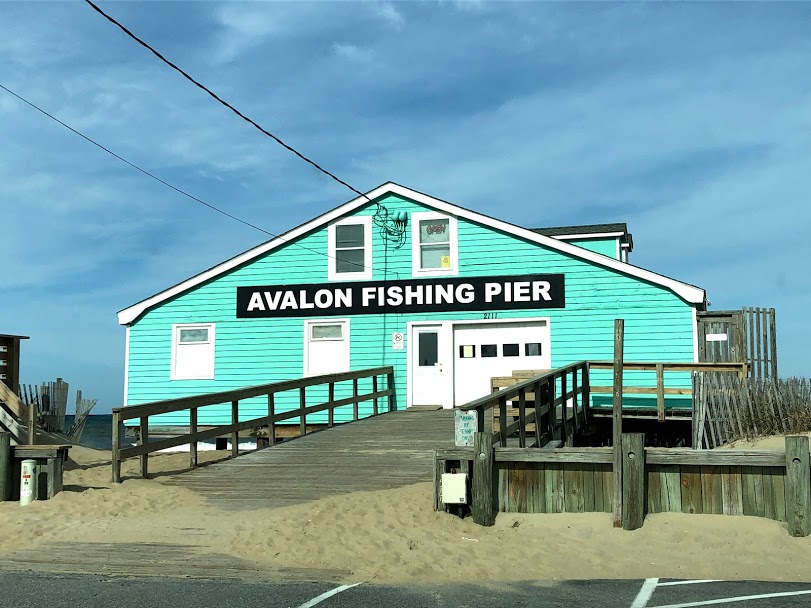
Avalon Fishing Pier

MP 6 on the Beach Road

Kill Devil Hills, NC

(252) 441-7494

This pier was built in 1958 and is 420 feet long and is a locals favorite. Full service tackle shop, equipment rentals, bar and carry out food and snacks. Live music most nights and family fun arcade.

Avalon Fishing Pier

Nags Head Fishing Pier

MP 12 on the Beach Road

Nags Head, NC

(252) 242-5071

This pier was built in 1947 and is 850 feet long and the oldest pier on the Outer Banks. Full service tackle shop, equipment rentals, a full restaurant with live music several nights weekly.

Jennette’s Fishing Pier

MP 16.5 on the Beach Road

Nags Head, NC

(252) 255-1501

This pier was originally built in 1939, modified in 1947 and again in 2011 and is 1,000 feet long. The pier is part of the NC Aquarium. Tackle shop, equipment rentals, gift shop, beverages and limited food and snacks for sale. They hold assorted camp programs and educational marine and fishing programs.

Outer Banks Fishing Pier

MP 18.5 on the Beach Road

Nags Head, NC

(252) 441-5740

This pier was built in 1958 and is 600 feet long and a special place for many old-school anglers. Full service tackle shop, equipment rental, full bar and sit down restaurant. Live music most nights.

Rodanthe Fishing pier

24251 Atlantic Dr.

Rodanthe, NC

(252) 987-0030

This pier was built in 1960 and is 700 feet long. It was originally 1000 feet long and was known as the Cape Hatteras Pier before many storms helped shorten it. Full service tackle shop, limited food and beverage service. Live music most nights.

Avon Fishing Pier

41001 NC Highway 12

Avon, NC

(252) 995-5480

This pier was built in 1963 and is 630 feet long. This pier is owned by the National Park Service and was originally 1000 feet long and shortened due to many storms. Full service tackle shop, equipment rentals and gift shop.

Until next time – Tightlines

Capt Tony