Who Does Structure

What does having structure have to do with being successful?  Plenty!!

An angler can significantly improve their catch rate if they are able to recognize the presence of structure and how to use it to their advantage. This knowledge along with several other scouting skill sets can give both the novice and experienced angler that competitive edge.
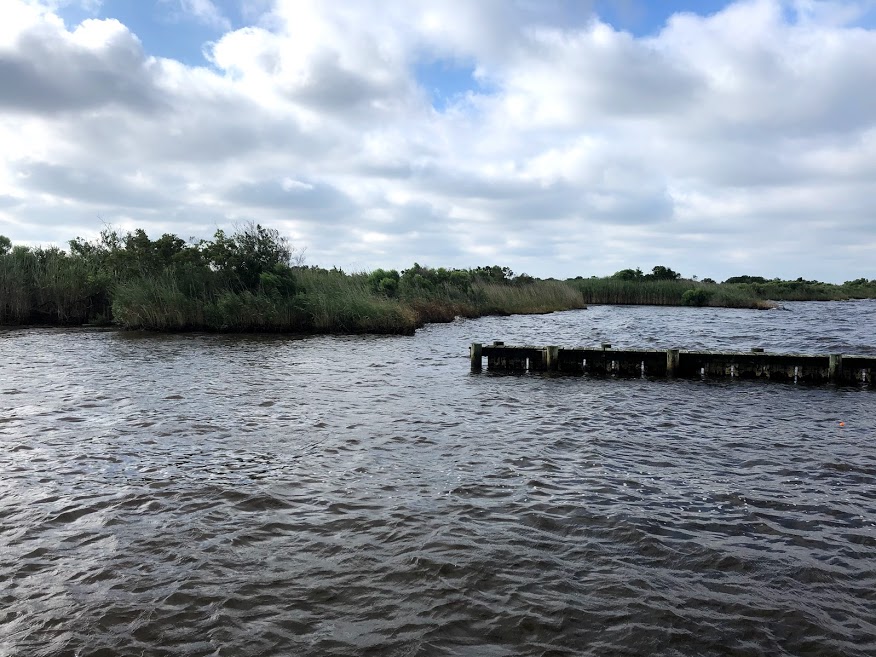
Structure can be defined as anything having an unusual characteristic found either horizontally under water or standing vertically in the water column. Many structures are created by nature or installed to either support another structure or another purpose. Regardless of the types of structures, they can also be found at various locations and water depths.  Either way, structure is beneficial for both anglers and many saltwater species

Vertical structure could be pilings, bulkheads, tree stumps, root systems or jetties that extend above the surface. Horizontal structures are submerged and may include depressions, holes, drop-offs, ledges, rocks, tree roots or sunken logs. The most common horizontal structure are small holes or depressions and the change where sand bottom meets a grass flat.

Structure provides safety and food source for many species. The fish’s ability to move around this formation provides their ability to avoid another predator. Also, many small bait fish and crustaceans remain close to structure adding to the larger species food source.

When fishing a vertical structure, the angler should focus on the leeward side. Fish typically remain in the calm leeward side waiting for a bait fish or other species pass by.  When fishing a horizontal structure such as a depression or grass flat, let your bait pass as close as possible, changing speeds and action of the retrieve.

When fishing structures, anglers should mimic the action of a bait fish or crustacean. They must provide a natural retrieve. Bait or lure presentation here is extremely important as not to spook or chase the fish out of that zone. The bait or lure should be retrieved slowly both in the current and static areas. Then repeated.

Proficient anglers have the ability to use various retrieval or twitching actions that cause the fish to either sense anger, fear or instill their interest to increase to attack.  But it is imperative that the action must be natural and lifelike.

Some structure is easily located but others are not.  Vertical structures are obvious – they stick out f the water. But horizontal must be discovered. One way to locate a bottom structures is to take either a bank sinker or a lead jig head with the hook removed attached to a break-away light test leader and cast out in various locations. Feel and resistance during the retrieve can reveal uneven bottoms and structure created components.

Ability to recognize and use structure is the easiest way for an anglers to improve their catch rate.

And although it’s an important part of finding fish, its only one tool in the angler’s catch box. The ability to recognize structure and use it to catch fish can be a game changer.

Until Next Time – Tightlines – Capt. Tony
A Call for Help

October is the peak fishing month on Ocracoke Island. Jumping mullets move along the inlets and beach, providing a great source of bait for game fish such as drum and bluefish. Water temperatures start to cool down toward the end of the month, bringing larger bluefish and citation (over 40 inches) red drum to the surf.

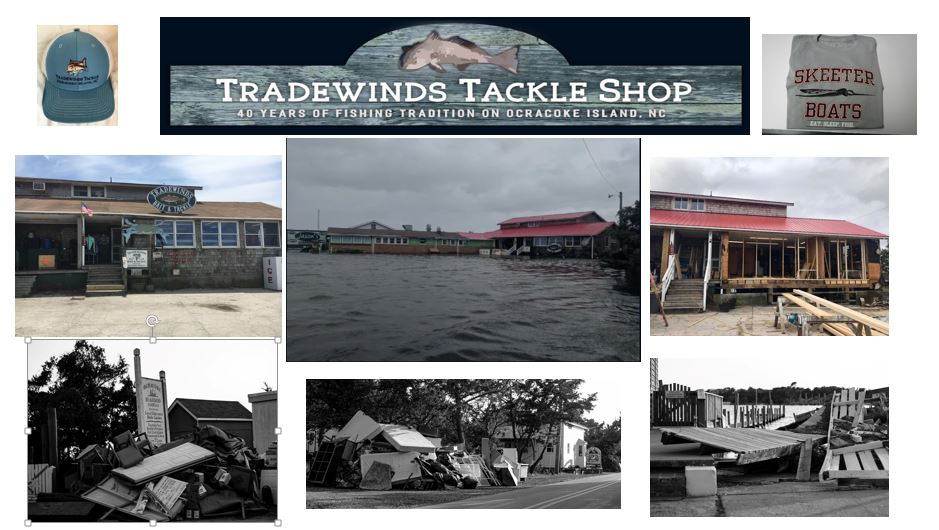
But this year was different. On September 6, 2019, Hurricane Dorian approached the small island of Ocracoke of North Carolina flooding the entire island with over seven feet of water and devastating winds. The flooding destroyed homes, businesses and infrastructure. And what the water didn’t do, the wind finished it. But most of all it affected the people. Their spirit is broken as well as their lives. But they are a determined to not let the storm defeat them.

Businesses on Ocracoke Island depend on their summer visitors to live but they need the fall visitor to survive. This year after the Hurricane Dorian, they and the rest of the island are suffering.

But we can help. You can help.

Alan and Melissa at Tradewinds could really use your help now. Have you ever wanted an official T-shirt, sweatshirt or even a hat from Tradewinds Tackle? Well now you can get one delivered right to your door and help them. Now you can order one from e-bay.

To place an order for any of their merchandise, use the link below.

https://www.ebay.com/itm/264496952701

Ocracoke Island Slogan, ““A Short Ferry Ride Away But A World Apart” by Alan Sutton

Friends helping friends – let’s all pitch in and do what we can to help.

Tightlines – Until Next Time – Capt. Tony

Pier Fishing Basics

Fishing on one of the seven Outer Banks Piers is safe and enjoyable for the entire family. Most piers have ample parking, tackle supplies and food and beverage concessions. They will also rent you equipment and supply you with everything you need to fish.

There are four things I recommend you do after you arrive at the pier but before you start fishing. The four things are: “Homework”, “Observe”, “Ask” and “Try”.

“Homework” is researching the most recent fishing activity. Your findings will include, what has been caught recently and using what bait. Where is the best action? Do you have the proper gear and rigging? What are the tides and other weather conditions? There are many other considerations that both the pier staff and tackle shop professionals can help with.

“OBSERVE” is the next thing – once on the pier try to watch what other anglers are doing. Are they casting or just dropping the baits.  What type of equipment or gear are they using? What type rig or bait are they using and are they successful with that method. Spending several minutes can save much time and help avoiding that learning curve.

“ASK” is the next thing I do. Ask the other anglers what they are catching. What type of bait or rig works best? Your best bet for success is to copy what the others are doing.

“TRY” is the final step. Try out the information you received.  Work the pier is some type of order. I start on one side and typically close in. I work my way out to the deeper water. Each time I move, I watch the other anglers.  I follow the end of the pier. I then will either switch over the other side or just move close in and begin my journey from close in to the end of the pier.

Keys to success on the pier is moving around to find fish. If you don’t catch something right away or after a short period – Move. I will move many times both out and back and switching sides occasionally. 

There are many reasons you will not be successful on a fishing pier. But none is more damaging than using “DEAD BAIT”. What do I mean about using dead bait – its’ bait that is days old or allowed to sit in the sun and “cook”. Air dried and stale bait will turn off the fish quickly Keep your bait in the shade or better yet, in a cooler. Remember – Fresh bait has a natural scent and catches more fish.

When using fresh bait, always buy the best whether it’s shrimp, squid or blood worms.

Using the proper gear and equipment for the various seasons can mean the difference between success and failure. Medium to heavy gear in spring and fall and lighter gear in summer.

Sharp hooks and good rigging make for quick hook ups. A variety of sinkers will hold the bottom during different conditions.

Angler safety is also imperative. Dress for the conditions. Sun screen is needed year round. Bringing plenty of fluids and snacks make for an enjoyable day.

A cooler with plenty of ice will keep any fish you plan to harvest. Also, try to practice “CPR” – that is Catch, Photo and Release!!

So keep it simple and pier fishing will help create memories that last a lifetime.

Until Next Time – Tightlines – Capt. Tony