WOW, that water is cold!!

Over the past several weeks, visitors and anglers have experienced a significant decrease in the ocean’s water temperature. This is not new but can be expected during the typical summer months when most beachgoers are in the water.

This phenomenon is known as up welling. It is typically caused by circular wind motion due to a front from the south west that blows winds along the beach. The steady wind blows the warm summer water out at a diagonal direction which ultimately takes the warm water out to sea. With the warm water now gone, the cold water from the bottom replaces it quickly – thus the sudden decrease in water temperatures from one place on the beach to another. Tides can also aid in replacing the warm water with the cold water. (Double click on picture for water movement).
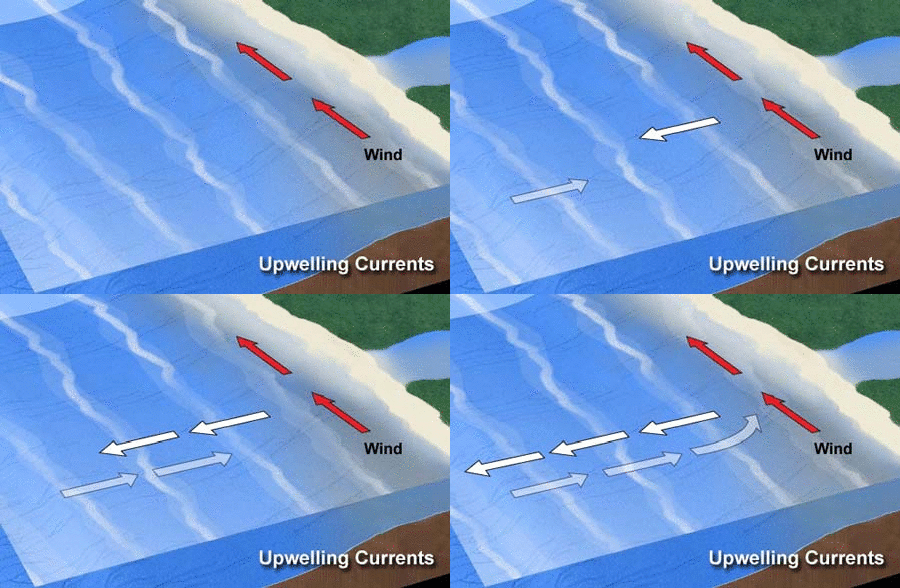
If you find yourself in an upwelling situation, either wait it out or move down the beach until you find a warmer spot. Unfortunately, if the wind continues to blow, cold water is here to stay. You may either suffer with the cold water, stay on the beach or find a nice pool.

There are fish to be caught so just because you can’t swim doesn’t mean that you can’t fish. Fresh bait, keeping the gear light is the ticket to a great time.

And don’t worry, this situation typically doesn’t last very long, so it might be a great time to visit one of our local tackle shops.

And want something to do during this cold water stretch? The Outer Banks has a new tackle shop. Oceans East Tackle is located in the old Whalebone Tackle building on the Nags Head Manteo Causeway. They had done a fantastic job of bringing a new look to our area. If you haven’t stopped by yet, it is a must.

Until next time – Tightlines – Capt. Tony

Fishing – Is It Better to Fish Early or Late

Historically, it has been the experience among anglers that it’s better to fish before breakfast or after dinner. Whether this preference is based on experience or theory, is anybody’s guess. But there are many reasons why anglers would prefer these times opposed to others.

It could be the cooler conditions or possibly the outdoor experience or it could be that the fish actually bite better during those times. Who knows, but there are several theories that could tell the story. So let’s explore several.

There is definitely a big difference between fishing dawn and dusk verses day time. Coolness verse the heat of the day. Sunrises and sunsets, various moon phases, cooler air and water temperatures along with the amount of light striking the water all can contribute to a change in feeding habits.

The sun has always had an effect on fishing. On bright days with the sun directly overhead seems to chase the fish deep in the water and slows their metabolism. On the other hand, low light and cloudy days seem to turn the bite on.

At dawn and dusk, the sun rays can be at a sharper angle to the water. This angle allows for lower light to penetrate the water and enhances the sight of various marine species. The lower light conditions can give feeding species an advantage finding food or the bait quickly because of their light sensitive eyes.

The moon phases can also affect the movement and height of the tides but more importantly this water movement can confuse many bait fish.  And this water movement can also bring in a change in more comfortable water temperatures.

Another theory is the amount of oxygen content in the water. Cooler water contains more oxygen then warmer water. So it’s natural that fish find comfort in these cooler conditions and tend to feed more.

At dusk, the air temperature will usually drop. The cooler air causes the water temperatures to also decrease slightly. This cooling trend creates a desirable environment for most species Small living organisms and bait fish are extremely active during these times and make for easy prey of the larger fish. So with more activity brings an increase in the possible success rate.

At dawn, the air temperatures begin to increase with the sun rise. The water temperatures will also increase. Even though it might be slight, the fish seem to sense this change and typically will begin to feed aggressively during this period being aware that their feeding cycle may end soon.  As the temperature continues to rise into the morning and dawn turns into day, this change causes the fish and their prey to slow down considerably and seek deeper cooler waters again.

Obviously, these are only couple of theories on why fish feed more aggressively during these times. There could many other conditions and reasons why fish are more active at dawn and dusk.  

Regardless of the reasons, anglers will continue to look forward to that “before breakfast and after dinner bite”.

So now the next question based on the facts, “will you try your luck at dusk or dawn too”?

Until Next Time – Tightlines – Capt. Tony