Know and Use Structure

What is structure and why is it important when fishing?

An angler can significantly improve the potential for a successful during an outing is with their ability to recognize the presence of structure and how to use it to their advantage. This knowledge along with several other scouting skill sets can give both the novice and experienced angler that competitive edge.

Structure can be defined as anything having an unusual characteristic found either under water or protruding vertically. Many structures are created by nature or placed there to either support another structure or another purpose. Regardless of the types of structures, they can also be found at various locations and water depths.  Either way, structure is beneficial for both anglers and many saltwater species.
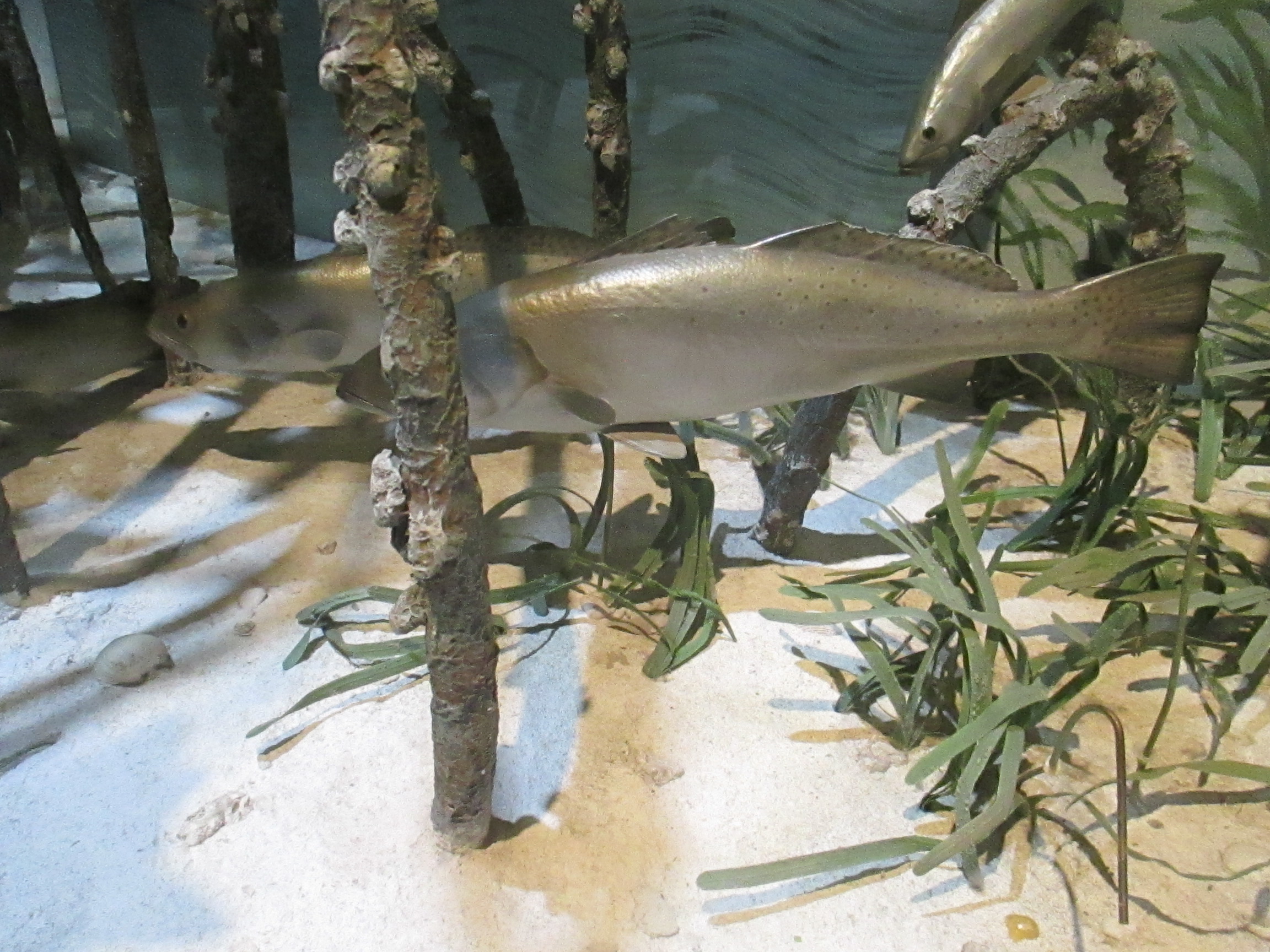
Vertical structure could be pilings, bulkheads, tree stumps or jetties that extend above the surface. Horizontal structures are submerged and may include depressions, holes, drop-offs, ledges, rocks or sunken logs. The most common horizontal structure are small holes or depressions and the change where sand bottom meets a grass flat.

Structure provides safety and food source for many species. The fish’s ability to move around this formation provides their ability to avoid another predator. Also, many small bait fish and crustaceans remain close to structure adding to the larger species food source.

When fishing a vertical structure, the angler should focus on the leeward side. Fish typically remain in the calm leeward side waiting for a bait fish or other species pass by.  When fishing a horizontal structure such as a depression or grass flat, let your bait pass as close as possible, changing speeds and action of the retrieve.

When fishing structures, anglers should mimic the action of a bait fish or crustacean. It must be a natural retrieve. Bait or lure presentation here is extremely important as not to spook or chase the fish out of that zone. The bait or lure should be retrieved slowly both in the current and static areas. Then repeat.

Proficient anglers have the ability to use various retrieval or twitching actions that cause either anger, fear or even a keen interest that increase the bite.  But it is imperative that the action must be natural and lifelike.

Some structure is easily located but others are not.  Vertical structures are obvious. But horizontal must be discovered. One way to locate a bottom structures is to take either a bank sinker or a lead jig head with the hook removed attached to a break-away light test leader and cast out in various locations. Feel and resistance during the retrieve can reveal uneven and structure components.

Ability to recognize and use structure is the easiest way for an anglers to improve their catch rate.

And although it’s an important part of finding fish, its only one tool in the angler’s catch box. The ability to recognize structure and use it to catch fish can be a game changer.

Until Next Time – Tightlines – Capt. Tony
Back to the Beginning

Why did I start the “Walkingangler” website? This website was started ten years ago in July 2008 to provide a local resource for Outer Banks boat-less anglers who like to fish on the surf, sounds, jetties, piers and local bridges.

The site was designed as a self-help guide. There are lists and drop down menus throughout the site indicating some of the best places to fish, what gear works best and many subtle techniques to help give the angler a little better advantage.

The idea for this website originated several years ago while I was browsing the fishing section at a local big box store. Walking down the aisle, I overheard an aggressive and unfortunately very inexperienced salesperson attempting to sell this new vacation/visitor hundreds of dollars of gear that would never work in our area.

I could sense that this first-time visitor was tired from their travels and wanted to just look around this department and move on. As any excited vacationer, they just wanted to try some surf fishing and maybe catch some crabs.

What this visitor left the store with was hundreds of dollars of worthless gear that they would never be able to use in this region. And if they did find a way to use it, the frustration of failure would have turned them off to fishing our area for many years.

I felt helpless and then a little frustrated. That’s when I found myself committed to do something.

This commitment lead me to begin searching for any local Outer Banks fishing resources. I found many local websites which included minimal support but none that contained the basic information a new angler needed. What the Outer Banks needed was a one-step local resource that contained specific species information, locations to fish, tried and proven techniques and hints and special tips that are easy to follow and understand.

What resulted was this website where visitors and experienced anglers can find basic fishing information. And then use this information data base to help either the novice or experienced find new locations or proven techniques or just hone their skills to improve their catch success.

This website is the one-stop shop resource for boat-less fishing on the Outer Banks.

The success of this website can only be measured by the success of its users. My intent is to help visitors and locals alike to begin their journey.

Like many resources, the only constant is change. And so it is with this website, it always under change and updating. Ten years and counting and hopefully many more.

Thank for visiting using my website. Check back frequently for new and revised local fishing information. If there is something missing, email me and I will try to add it.

Until next time – Tightlines – Capt. Tony

Free Fishing Day in North Carolina

Wildlife Commission Announces July 4 as Free Fishing Day

RALEIGH, N.C. (June 20, 2018) — On July 4, the N.C. Wildlife Resources Commission invites anglers and would-be anglers of all ages to go fishing — for free. From 12 a.m. until 11:59 p.m., everyone in North Carolina — resident and non-residents alike — can fish in any public body of water, including coastal waters, without purchasing a fishing license or additional trout fishing privilege. 

Although no fishing license is required, all other fishing regulations apply, such as length and daily possession limits, as well as bait and tackle restrictions.

To give anglers a better chance of catching fish, the Commission stocks a variety of fish in waters across the state — including trout and channel catfish. The agency also provides access to fishing sites across the state, including public fishing areas and boating access areas. The interactive fishing and boatingmaps on the Commission’s website list more than 500 fishing and boating areas, many of which are free, that are open to the public.

Started in 1994, free fishing day is an annual tradition, sponsored by the Commission and authorized by the N.C. General Assembly. It always falls on July 4.

On all other days of the year, a fishing license is not required for anglers 15 years and younger, but anyone age 16 and older must have a fishing license to fish in any public water in North Carolina, including coastal waters.

Purchasing a license online is quick and easy. Other ways to purchase a license are:

  • Call the Commission at 1-888-248-6834. Hours of operation are 8 a.m.-5 p.m.;
  • Visit a local Wildlife Service Agent.

For more information on fishing in public, inland waters, visit their Fishing page.

There is no better opportunity to introduce a “Kid to Fishing” and maybe yourself. Enjoy this free day compliments of the North Carolina Wildlife Commission.


Until Next Time – Tightlines. Capt. Tony