Time is a Factor

Historically, it has been the experience among anglers that it’s better to fish before breakfast or after dinner. Whether this preference is based on experience or theory, is anybody’s guess. But there are many reasons why anglers would prefer these times opposed to others.

It could be the cooler conditions or possibly the outdoor experience or it could be that the fish actually bite better during those times. Who knows, but there are several theories that could tell the story. So let’s explore several.
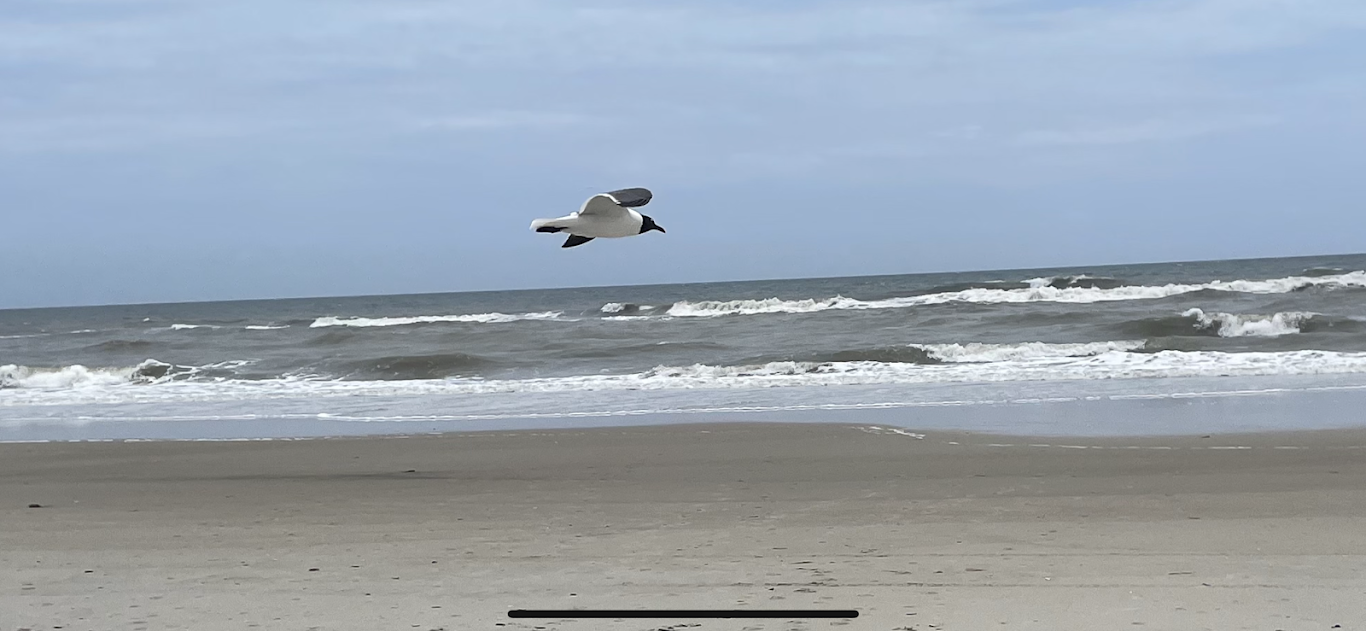
Avon surf at dawn

There is definitely a big difference between fishing dawn and dusk verses day time. Coolness verse the heat of the day. Sunrises and sunsets, various moon phases, cooler air and water temperatures along with the amount of light striking the water all can contribute to a change in feeding habits.

The sun has always had an effect on fishing. On bright days with the sun directly overhead seems to chase the fish deep in the water and slows their metabolism. On the other hand, low light and cloudy days seem to turn the bite on.

At dawn and dusk, the sun rays can be at a sharper angle to the water. This angle allows for lower light to penetrate the water and enhances the sight of various marine species. The lower light conditions can give feeding species an advantage finding food or the bait quickly because of their light sensitive eyes.

The moon phases can also affect the movement and height of the tides but more importantly this water movement can confuse many bait fish.  And this water movement can also bring in a change in more comfortable water temperatures.

Another theory is the amount of oxygen content in the water. Cooler water contains more oxygen then warmer water. So it’s natural that fish find comfort in these cooler conditions and tend to feed more.

At dusk, the air temperature will usually drop. The cooler air causes the water temperatures to also decrease slightly. This cooling trend creates a desirable environment for most species Small living organisms and bait fish are extremely active during these times and make for easy prey of the larger fish. So with more activity brings an increase in the possible success rate.

At dawn, the air temperatures begin to increase with the sun rise. The water temperatures will also increase. Even though it might be slight, the fish seem to sense this change and typically will begin to feed aggressively during this period being aware that their feeding cycle may end soon.  As the temperature continues to rise into the morning and dawn turns into day, this change causes the fish and their prey to slow down considerably and seek deeper cooler waters again.

Obviously, these are only couple of theories on why fish feed more aggressively during these times. There could many other conditions and reasons why fish are more active at dawn and dusk.  

Regardless of the reasons, anglers will continue to look forward to that “before breakfast and after dinner bite”.

Until Next Time – Tightlines – Capt. Tony
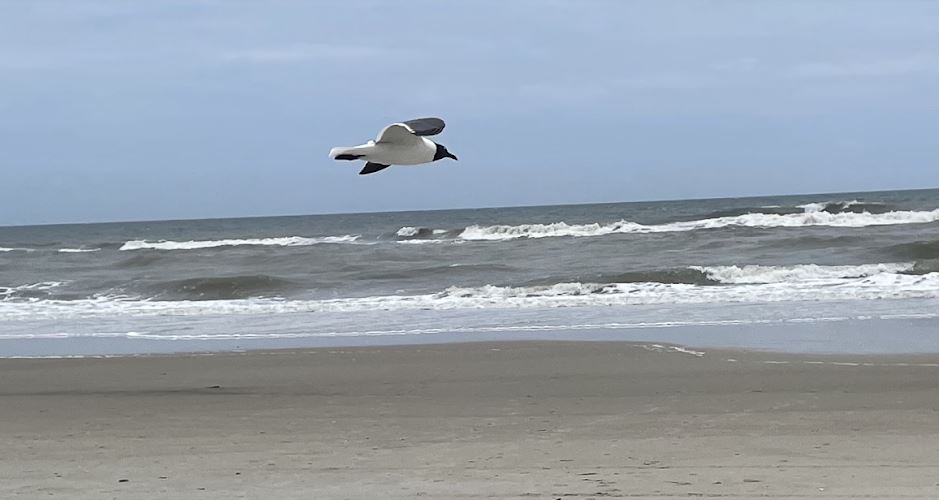
Surf Fishing – The Basics

Summer is here and what better way to start a vacation than by learning to surf fish on the Outer Banks. We have talked about this topic many times and since the weather is beautiful and the fish are biting, what better way to start a new activity.

Surf Fishing

Fishing on the surf is the easiest to learn and enjoyable for the entire family. And now that you are here, why not give it a try. And it can be fun for the entire family. 

All you need is a simple saltwater rod, reel, fishing license and fresh bait.

The first thing you want to do is research the regulations. Make sure you know the limits of any species you catch. Also, you may need a license to fish on our beaches. Licenses and rules can be obtained at any local tackle shop. Tackle shops are the newest (and experienced) angler’s best friend.

Next is selecting the spot on the beach. I always check with other local anglers or tackle shops for this information. They can usually point you in the right direction. It’s important to learn to also read the beach. It takes a little time, but we’ll worth the effort. But basically, most spots on our beach will hold fish.

Like any sport, you will need specific gear. These items will include a good medium seven foot rod and reel set up, a bottom rig, package of hooks, several different size sinkers and bait. If you don’t have your own rod and reel set up, a complete package can be purchased any tackle supply shop.

If you purchase a rod and reel from a tackle shop it will already be rigged with a line. Once ready to fish, you will attach the bottom rig to the line. You can either tie the rig directly to the line or use a snap swivel to the line first and then hook the rig to this connector. A snap swivel allows for a quick change over if you need to replace the bottom rig.

Next you want to install the hooks. Number four or number six size “circle” hooks should work fine. I slide the loop end of the hook line over the bottom rig loop and slip the hook through the bottom rig loop. This creates a strong connection. A sinker is attached to the bottom of the rig. I carry different size sinkers and attach the lightest one that will allow me to hold the bottom.

Bait is the most important component. I use fresh shrimp or fish bites. Do not peel the shrimp; just place a small piece on each hook. Sometimes, I insert a small quarter inch piece of a fish bite or fish gum over the hook after the shrimp. This keeps the shrimp on the hook and prevents smaller fish from stealing the bait before a larger fish eats it. Remember – the fresher the bait – the better the chance for success.

Most bottom fish can be found within fifteen feet of our shore line. So cast just over the waves. Let the bait sit on the bottom and wait for the bite. The bite feels like a tap tap tap. When you feel the bite, just raise your rod tip and reel in. If your line moves on the bottom, change to the next size up sinker.

It’s that simple. 

So the next time you have a little free time and want to learn a new hobby – take up fishing on our beach. It’s a great way to enjoy the outdoors and our beautiful beaches.

One final tip – release all fish carefully that you are not going to keep the fish so it can be caught again

Until next time – Tightlines – Capt. Tony

Know your knots

It’s a good time to review – When anglers talk about their fishing gear, secret locations and special techniques, they seem to ignore one of the most important parts of their system. The fishing knot. Most anglers are very complacent about knots. They typically will just tie them and forget them.

Usually, they are tied once and unless they change a jig head or add line, these are good for the day, a week or longer.

But little do most anglers realize that the knot is the weakest part of their fishing gear and should be re-tied periodically.  And if they are not tied correctly, they could cost the angler not only their catch but the gear and rigging.

There are dozens of different fishing knots used by anglers. But there are only several that are actually needed.  They fall into three categories: line to line, line to tackle or gear “tight”, and line to tackle or gear “loose”.

Let’s talk about the first type: line to line. Knots that work best for tying line to lines are 1) double uni-knots, 2) simplified blood knot and 3) Albright knot. These are all very easy to tie and will perform well in most circumstances. The first two are used on lines of equal diameter. While the Albright knot can be used on equal or unequal diameter lines.

The second type of knots are the line to tackle “tight”. Knots that hold the line to the tackle are single uni-knot, palmar knot, improved clinch knot, and Snelling knot. Each of these knots are suitable for securing the tackle to the end of the leader. 

The third type of knot is the line to tackle “loose”. This category contains a Doppler loop knot, double surgeon’s knot and spider hitch. These knots allow anglers to create loops or a loose connection that will give the hook or lure more action.

There are many more knots to choose from such as Bimini Twist and FG knots. Braid, monofilament and fluorocarbon lines will respond a little differently to these knots. Please know this is only a sample list of the most popular and frequently used knots so it’s important to learn which one works best for each application.

Not familiar with some of these knots?  Check the “Fishing Knots” section on my website or YouTube for great “how-to” videos.

Tip: Remember knots are the weakest link in your gear set up so it is imperative that re-tie your knots at least daily. And while you are inspecting your knots, it could also be a great time to check the condition of your other components and connections.

Until next time – Tightlines – Capt. Tony