Fishing the Baum Bridge

There are many places to fish on the Outer Banks in the heat of the summer but none better than the pier under the Washington Baum Bridge. This dock is a favorite for both locals and visitors. Most days throughout the summer and fall, you will find scores of anglers lining the railings.

The pier is located on U.S. Hwy 64 just under the western end of the bridge. The pier along with one of the finest small boat ramps can be easily accessed at the light past the western end of the bridge and just across from the entrance of the Pirates Cove Marina.

Anglers use the side road that parallels the highway to access the area and then follow this road toward the ramp. The pier is located on the left. In addition to the easy access, there are more than 50 parking spots, toilet facilities and sloped ramp that help those with limited mobility to access the pier.

The pier is several hundred feet long with plenty of benches and the best “fish railings”. The entire area is family friendly and a great place to spend the day either catching dinner or just enjoying the outdoors.

Fishing is very good with many species seeking safety under and around the pilings. Anglers frequently catch croakers, spot, and black drum and keeper flounder when in season, speckled trout, and occasional puppy drum. It is not unusual to catch under slot stripers all year but the best catches of keeper Stripe Bass are in the cooler fall months.

Anglers will typically use light tackle 6-7 foot rods with either two hook bottom rigs or a Carolina rig with cut bait, blood worms, fresh shrimp or Fish Bites. Don’t oversize your hooks especially in summer. Squid is an effective bait for flounder but it also seems to attract crabs.

There is a deep slough just north of the pier that holds plenty of fish. But only a strong cast can reach those holes. It’s best to focus under the pier and just a dozen yards out.

You should avoid the south side unless you are fishing the water surface. During the bridge construction much of the rubble and leftover debris was stacked on that side. So unless using a popping cork or jigging, it’s smart to stay on the north side.

The entire north railing is good for catching fish but  the favorite area is just at the easternmost end of the pier. Anglers who cast toward the huge bridge bumpers can be rewarded with larger species that travel along the faster currents under the bridge.

Overall this pier has been a favorite spot to fish for both novice and seasoned anglers for years. It’s the go-to-place when anglers need a change of pace or to get away from the hot summer sun.

Fishing licenses are required to fish on this pier so check with your tackle shop before you go. Also, follow the bag and creel limits. Only harvest what you can use.

So if you are looking for a place to spend the day, discover this pier for your next outing. You won’t be disappointed.

Until Next Time – Tightlines – Capt. Tony

Might Be the Pressure

It might Just Be the Pressure

Now that we are in storm season, it’s a good time to talk about how weather affects fishing.

Anglers who take the time to monitor specific weather conditions, especially barometer readings, can result in the difference between catching and just sightseeing.

There are specific weather conditions that anglers should monitor before they go fishing. This effort can mean the difference between catching and just sightseeing.

We all know most anglers will go fishing when they can. But the remaining anglers are a little bit more studious and will go only when the conditions are right. And one of those major weather conditions is barometric pressure reading.

Barometric pressure is the amount of force or weight that the atmosphere pushes down at any point on earth and its inhabitants. This pressure can be either steady, rising or falling according to the current weather conditions. And these three different readings can have a significant effect on fishing.

Anglers have used weather instruments including barometer readings for years. And those anglers have realized that you don’t have to be a scientist to understand how these readings affect wildlife including our saltwater species.

Each living species responds to many different weather conditions. But the change in barometric pressure can be felt in both humans and wildlife alike. And when there is a change, sometimes even slight everything responds including wildlife.

Weather systems are the main cause of barometric pressure changes. When the sun is shining with little wind, the barometer is steady. Falling pressure actually increases the pressure felt on the surface. And rising pressure will decrease this effect.

This rising and falling typically proceeds or follows a weather system. For example, an approaching front will cause the barometric pressure to decrease and once passed the system increases pressure as it does after a tropical storm. The closer the storm is to a particular area, the lower the pressure becomes. And vice versa.

And its effect on wildlife does not have to be significant – only a few degrees of measurement can make a world of difference.

So how does this condition effect fishing?

On steady calm or “bluebird” days, fishing is dependent on many natural instincts of a specific species. They act in a normal fashion. But with an approaching system or storm the pressure begins to fall and this pressure pushes in on the fish’s organs, causing them to feel full and reducing their instinct to feed. Now once the front or system passes, the pressure rises and the “full feeling” effect diminishes, and the fish will begin to feed aggressively.

Many anglers who have followed barometric pressure change concept have been richly rewarded.

Looking for one more advantage, why not check the weather page before your next fishing trip.

It just might surprise you.

Until Next Time – Tightlines – Capt. Tony
Striped Bass – Amended

The North Carolina Department of Marine Fisheries (NCDMF) announced the extension of the 2021 harvest season for Striped Bass Recreational – Albemarle Sound Management Area Season through Proclamation FF 2-2022, dated 16December 2021.

Striped Bass

This proclamation permits the harvest of striped bass taken only for recreational purposes in the Albemarle Sound Management Area.

The effective date for the new Proclamation is Saturday, January 1, 2022 at 12:01 A.M. in the Albemarle Sound Management Area. And the recreational spring fishing season will close when allowable landings are predicted to be reached or on April 30, 2022, whichever comes first.

During the spring season, striped bass maybe caught by hook and line or recreational commercial gear for recreational purposes all seven (7) days per week.

These fish must be at least eighteen (18) total inches and each angler may keep no more than one (1) fish in any one day.

Also, the Atlantic Ocean Striped Bass fishery remains open to all anglers at one (1) fish per day at greater than twenty-eight (28) inches and less than thirty-five (35) inches total inches.

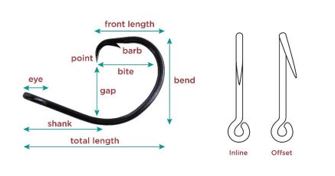
Additionally, and effective, January 1, 2021, non-stainless steel, non-offset circle hooks are required when using natural bait for the recreational fishery regardless of the tackle and lure configuration.

For more information on these new ocean fishery regulations, please check with your local tackle shop or North Carolina Dept. of Marine Fisheries.

Until next time – Tightlines – Capt. Tony