Seasons of Change

Fishing on the Outer Banks during the Fall transition can produce catches of Puppy Drum, Big Drum, Bluefish, Speckled Sea Trout, Stripers and dozens of other species.

September typically means two things to me – the start of a new school year and Fall fishing. Classrooms and school buses usually get crowded and popular fishing spots become deserted. But just like school, there are many lessons to be learned when fishing between the Summer and then into the Fall on the Outer Banks.

Summer fishing is a lot like swinging in a hammock. You find a seat in the shade on the pier or maybe under an umbrella on the surf.  You cast your bottom rig out and wait for something to come by and take it. Summer fishing is usually very slow and kind of easy going. There are always plenty of small bottom fish to keep you busy. So as you can see those lazy summer fishing days are a lot like swinging on that hammock. Not real exciting nor is there a lot of interruptions but still a lot of fun.

Fall fishing on the other hand is where those summer lessons are put to the test. The Fall species that move into our waters can be very large and aggressive and fast.  These fish are aware that their main food source will be scarce in the coming months so they must feed aggressively.

The Florida pompano and Spanish Mackerel will be leaving for warmer waters soon and two of our most popular fall visitors will be taking their place. The Norfolk Spot and Atlantic croaker are a huge draw on the local piers in the fall. The Norfolk “Spot Run” occurs in mid to late September. During these runs, it is easy to fill a cooler in a matter of hours.

A short time later we see an increased bite of our favorite native sea mullet, speckled sea trout, mixed puppy drum and bluefish as well as the prized big red drum and many other traditional species such as flounder, sheepshead, sharks and rays and many others.

When fishing in the Summer we typically use light to medium gear. In the Fall season with the onslaught of huge and aggressive species moving in, we need to consider the use of stiffer and heavier gear. Larger rods, heavier reels, more stout lines and of course stronger rigs.

We also need to think about how we present our baits. Fresh shrimp, finger mullet or cut baits are your best bets this time of year. Some anglers will stay with the very popular fishbites artificial bait which have been very productive, sand fleas, and some even go with artificials and metals. But the key is the action and presentation of your retrieves. This action must match the feeding preferences of your target.

Weather in the fall is very unpredictable. Outer Banks environment can be brutal on anglers and gear. Preparation is key to a successful outing.

Now is the time to prepare. Our local tackle shops, piers, many of our media outlets and of course my website can help make this year’s fishing experience one to remember.

Fishing in the Fall on one of the local piers, bridges or the surf can be one of most enjoyable times. Many anglers travel hundreds of miles just to fish this time of year in our waters. Will you be joining us this year?

Captain’s Tip – always keep a light tackle rod set with you at all times in the fall. Hot action with a light rod and big fish are what memories are made of.

Watch for more fall fishing, gear and techniques.

Until next time – Tightlines – Capt. Tony
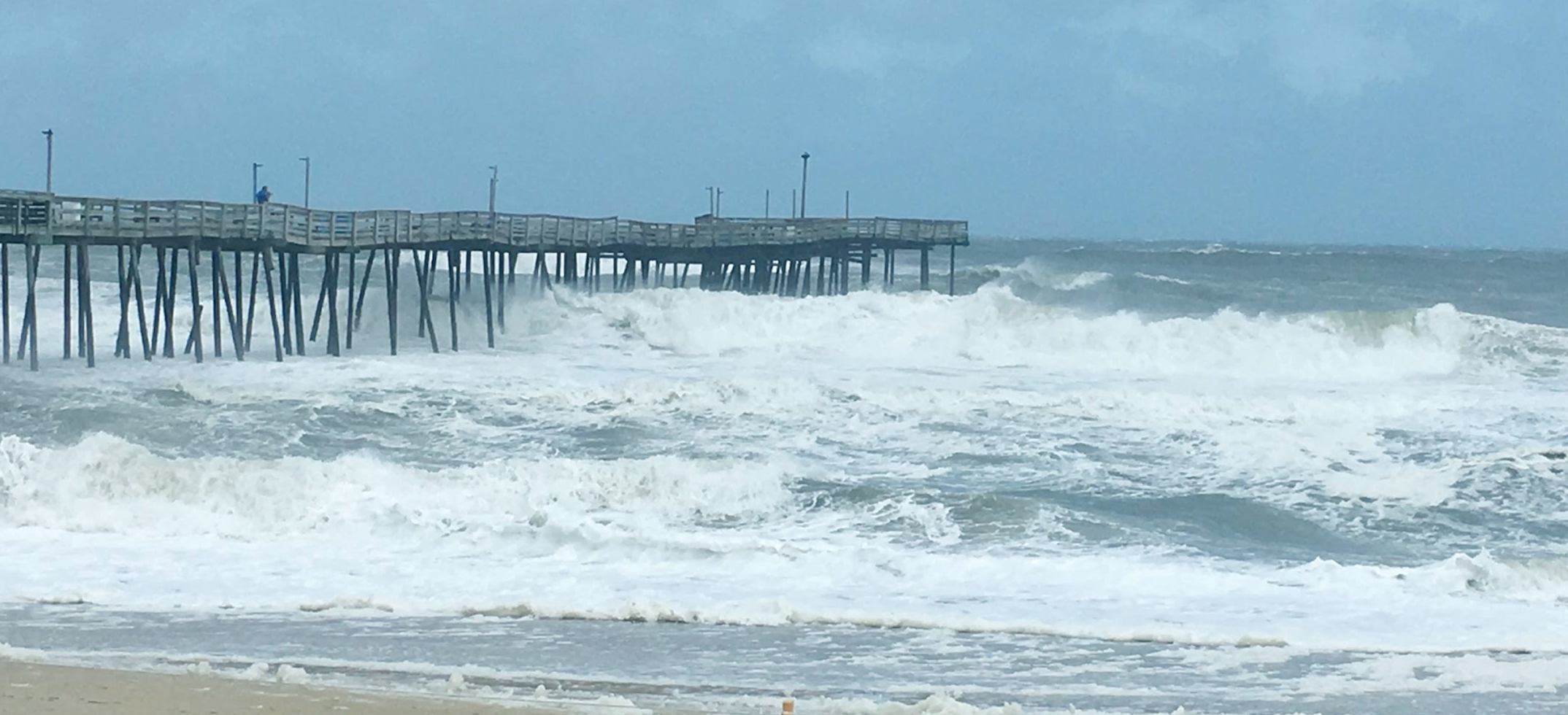
Seasonal Change – Getting Cold

Well, we have finally arrived at that time of year. Another fishing season is rapidly transforming itself into a time of pause. Cold temperatures and the occasional weather system forces our local species into their annual migration. During this phase many of the ocean piers have closed for the season and others modify their hours to accommodate the lack of anglers and fish to catch.

Well, we have finally arrived at that time of year. Another fishing season is rapidly transforming itself into a time of pause. Cold temperatures and the occasional weather system forces our local species into their annual migration. During this phase many of the ocean piers have closed for the season and others modify their hours to accommodate the lack of anglers and fish to catch.

Scarcity sets the stage for anglers to reboot their strategies and plan for the upcoming season. But all is not lost of the lowering temperatures and approaching and unsettled weather patterns.

There are still three ocean access piers open throughout the off season. Both Jennette’s Fishing Pier in Nags Head and Avalon Pier in Kill Devil Hills will remain open with limited hours. The newest pier, Bonner Bridge Pier at the southern end of the new Basnight Bridge will stay available 24 hours a day.

In addition the three ocean side piers, the Wildlife pier (at Pirates Cove) and Bebop pier (west end of the Umstead Bridge) will be fishable throughout the off season.

The Daniels Bridge catwalk and the Estuarine Access Dock on the Nags Head Causeway are always two great places to fish year around. But in winter, the concrete barrier on the bridge provides a break from the north winds.

The hundreds of miles of surf and sound side access from Corolla to Ocracoke are open to anglers with some restrictions. Check with localities for proper access rules and availability.

There are many days that fishing is very productive when optimal conditions exist but other days will test the angler’s endurance and patience. Anglers should plan accordingly.

And as always, anglers should notify someone where they will be fishing. Due diligence is just good policy. Inclement and winter fishing is different from the warmer weather. Mishaps in summer are easily addressed. But not so much in winter.

The good news is that the Outer Banks surf, three piers, sound side bridges and many of the freshwater ponds and ditches should hold fish throughout the entire winter. Special gear will be needed but those dedicated enough to brave the elements can be rewarded.

Remember to obtain a fishing license where needed and follow creel and bag limits. Release all fish carefully that are not harvested.

As we charge into the off seasons, there is much to learn from last year and much to do in preparation for the coming season.

Until next time – Tightlines – Capt. Tony


Know the Rules

Fishing in Florida during the colder months can be an extremely rewarding experience if you know the rules. Now we are not talking about the rules and regulations on creel and bags limits. Although knowledge of these regulations are mandatory in every region, it’s the small subtitles that can make a difference of success for the visiting angler.

We hear all the time that fishing is the same regardless where you fish. But in Florida that can’t be further from the truth. The various species are stealth and they spook very easily. And catching them can test even the most passionate angler.

There several interesting techniques that can increase the potential for success.

Know your target. Some of the most important items to be aware of when fishing in Florida is to know your targets specific tendencies. Temperature preference, tide phases, feeding habits, and movements and means of comfort and hideaways are important tips that help the angler. Being familiar with these can help improve your success potential

Match the hatch is probably the second most important tip to remember. Many species are creatures of habit and they will feed on the most plentiful and easiest bait available. So the best way to increase the success rate is use a lure or bait that is similar to what’s in the water. Color is also important but it’s the contrast and presentation technique that can have more influence. The key: mimic the food source and try to “BE THE BAIT”.

Downsize your gear. The lighter the gear the easier it is to place the bait in the proper location, present it naturally and then feel the bite. Minimize any foreign objects from the environment. Anything outside the lure should appear natural. So use the lightest leader materials, limit you connections to only small knots and avoid any type of metal on your tackle or baits.

Technique and Presentation. Regardless of your lure or bait selection, it’s the natural presentation that can make all the difference. The retrieval technique can make the difference between a strike and spooking your target. Remember, most strikes occur during a pause in any retrieve when the prey is most vulnerable.

Change it up. Some anglers will switch their salt to fresh water gear to encourage the strike. Modifying baits such as adding a rattle or cutting a slice from a plastic swim bait that mimics a wounded fish may spark the interest of a feeding fish. As a general rule, “change is always good”.

Although there are dozens of other techniques, I have found these to help increase my catch rate.

Never be satisfied with the basic package, experiment and challenge yourself and you will not be disappointed.

Until Next time – Tightlines – Capt. Tony