Fish the Structure

Warm weather fishing can be tough. And anglers can always use a little help especially in summer. So let’s talk about structure again.

What does having structure have to do with being successful?  Plenty!!

An angler can significantly improve their catch rate if they are able to recognize the presence of structure and how to use it to their advantage. This knowledge along with several other scouting skill sets can give both the novice and experienced angler that competitive edge.
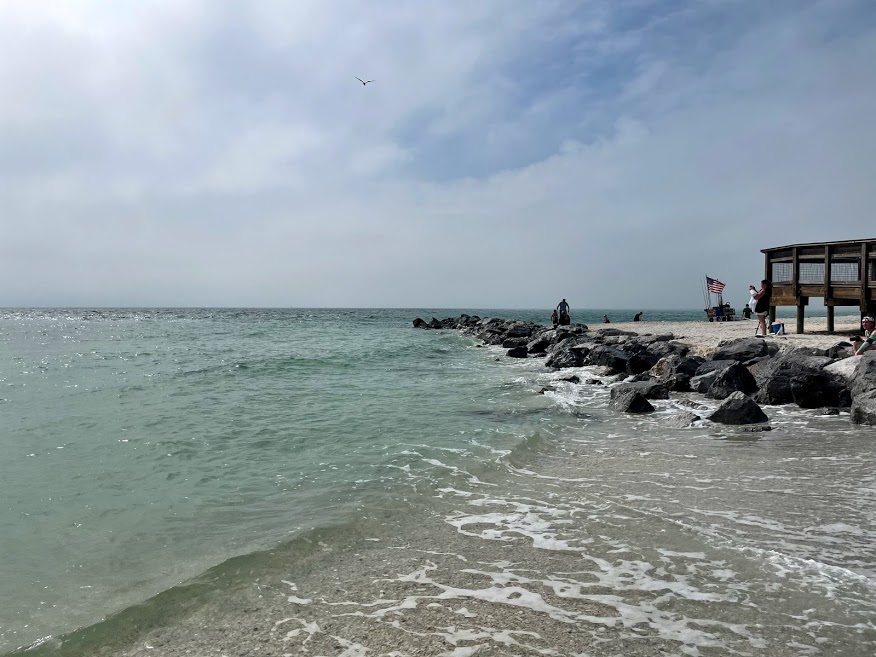
Rocks near the Shore

Structure can be defined as anything having an unusual characteristic found either horizontally under water or standing vertically in the water column. Many structures are created by nature or installed to either support another structure or another purpose. Regardless of the types of structures, they can also be found at various locations and water depths.  Either way, structure is beneficial for both anglers and many saltwater species

Vertical structure could be pilings, bulkheads, tree stumps, root systems or jetties that extend above the surface. Horizontal structures are submerged and may include depressions, holes, drop-offs, ledges, rocks, tree roots or sunken logs. The most common horizontal structure are small holes or depressions and the change where sand bottom meets a grass flat.

Structure provides safety and food source for many species. The fish’s ability to move around this formation provides their ability to avoid another predator. Also, many small bait fish and crustaceans remain close to structure adding to the larger species food source.

When fishing a vertical structure, the angler should focus on the leeward side. Fish typically remain in the calm leeward side waiting for a bait fish or other species to pass by.  When fishing a horizontal structure such as a depression or grass flat, let your bait pass as close as possible, changing speeds and action of the retrieve.

When fishing structures, anglers should mimic the action of a bait fish or crustacean. They must provide a natural retrieve. Bait or lure presentation here is extremely important as not to spook or chase the fish out of that zone. The bait or lure should be retrieved slowly both in the current and static areas. Then repeated.

Proficient anglers have the ability to use various retrieval or twitching actions that cause the fish to either sense anger, fear or instill their interest to increase to attack.  But it is imperative that the action must be natural and lifelike.

Some structures are easily located but others are not.  Vertical structures are obvious – they stick out f the water. But horizontally must be discovered. One way to locate a bottom structure is to take either a bank sinker or a lead jig head with the hook removed attached to a break-away light test leader and cast out in various locations. Feel and resistance during the retrieve can reveal uneven bottoms and structure created components.

Ability to recognize and use structure is the easiest way for an anglers to improve their catch rate.

And although it’s an important part of finding fish, its only one tool in the angler’s catch box. The ability to recognize structure and use it to catch fish can be a game changer.

Until Next Time – Tightlines – Capt. Tony
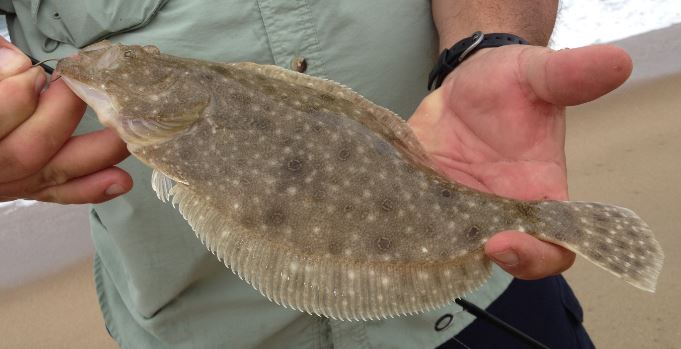
Flounder Season 2021

Dated Jun 23, 2021 -The N.C. Division of Marine Fisheries has adjusted the recreational and commercial flounder seasons for 2021 to ensure a sustainable fishery. In 2019 the Division of Marine Fisheries recommended and the Marine Fisheries Commission approved, substantial harvest reductions in the flounder fishery to rebuild the southern flounder stock. These season adjustments are necessary to meet that goal.

The recreational flounder season will open Sept. 1 and close Sept. 14 in internal and ocean waters of North Carolina. The minimum size limit will remain at 15 inches total length, and the creel limit will remain at four fish per person per day during the open recreational season.

Since all species of flounder are managed under the same recreational regulations, the recreational season applies to all recreational flounder fishing.

The commercial southern flounder harvest seasons will open on the following schedule:

  • Northern Area (waters north of Pamlico Sound) – Sept. 15 to Oct. 1;
  • Central Area (Pamlico Sound and its tributaries) – Oct. 1 to Oct. 19;
  • Southern Area (waters from Core Sound to the South Carolina line) – Oct. 1 to Oct. 21.

All commercial gears that target southern flounder, such as large mesh gill nets and flounder pound nets, must be removed from the water when the season is closed (or made inoperable in the case of flounder pound nets). The catfish and shad fisheries, which use large mesh gill nets, will be allowed in areas where interactions with southern flounder are unlikely.

The flounder fishery is currently managed under Amendment 2 to the Southern Flounder Fishery Management Plan. Amendment 2 included southern flounder harvest reductions of 62% in 2019 and 72% beginning in 2020 for both the recreational and commercial fisheries. The total removals allowed in both years under these reductions were exceeded in both the commercial and recreational sectors, resulting in the seasonal adjustments.

Reductions in harvest are required because the 2019 South Atlantic Southern Flounder Stock Assessment found that southern flounder is overfished and overfishing is occurring throughout the region (North Carolina through the eastern coast of Florida). Overfished means the population is too small. Overfishing means the removal rate is too high. North Carolina is leading the rebuilding effort with the Marine Fisheries Commission adoption of Amendment 2.

The Division of Marine Fisheries is developing Southern Flounder Fishery Management Plan Amendment 3, which examines more robust management strategies, such as quotas, slot limits, size limit changes, gear changes, and species-specific management for the recreational fishery. Draft Amendment 3 is scheduled to be reviewed and potentially approved for public and advisory committee review in November 2021.

For more information about the southern flounder fishery, see the Division of Marine Fisheries’ answers to Frequently Asked Questions or the Southern Flounder Amendment 3 Information Page.

Can They See You

Most angler’s use the old game of hide and seek when fishing from a shore line or bridge. Most times without even recognizing that they are doing it.

Hide and seek is a popular kids game where they attempt to conceal themselves from being seen or heard. The goal of the game is to be the last player found.

Anglers frequently use the same skills of hide and seek. An angler who stands out on a bridge or shoreline with bright clothing, erratic movements or makes noise not natural to the area is sure to spook an already skittish target. So being stealth is the ticket for improved success.

Most targeted fish have tremendous eyesight and other senses that will warn them that danger is close. Anglers should keep this in mind when planning their next fishing trip, selecting a location or even what prey they plan to target.

Clothing is the first line of hide and seek. Wearing a contrasting shirt color against either a bright or cloudy day can warn the fish that some type of danger is present. So anglers should try to avoid standing out from the background.

A good rule is “If the sky is a bright blue, your shirt color should blue”. Similarly, if there is an overcast day, your shirt color should match as close to the background as possible. In this case, your clothing could be pale or light grey.

But what about partly sunny or clouds, colors should be neutral or natural. The best rule to follow is use only colors that are not bright or result in the angler to standing out.

Erratic angler movement can also influence a targeted prey to flee. When fishing on a bank or other structure, the angler’s movement is probably just as important as camouflage clothing. Trees or other vertical structures do not move erratically unless there is wind or significant weather condition.

Fish can sense the surrounding weather conditions including wave action, wind and other environmental influences, so they will know what is unnatural. Anglers should limit their movement to a minimum.

Unnatural sounds are also a component of stealth. Noise and unusual sounds that are not typically found in a specific location, such as loud voices, dropping gear, banging rods against railings or other such noises put up a warning. Unusual noise, banging of gear or even some levels of voices can be heard and possibly felt for some distance under the water.

Being stealth and using good camouflaging techniques will give you a significant advantage. Smart anglers consider these techniques as well as many others when trying to avoid being detected.

So next time you visit your neighborhood tackle shop, look a little closer in the camouflage section.

You might just find the color that can help improve your catches.

Until next time – Tightlines. Capt. Tony